 paisley
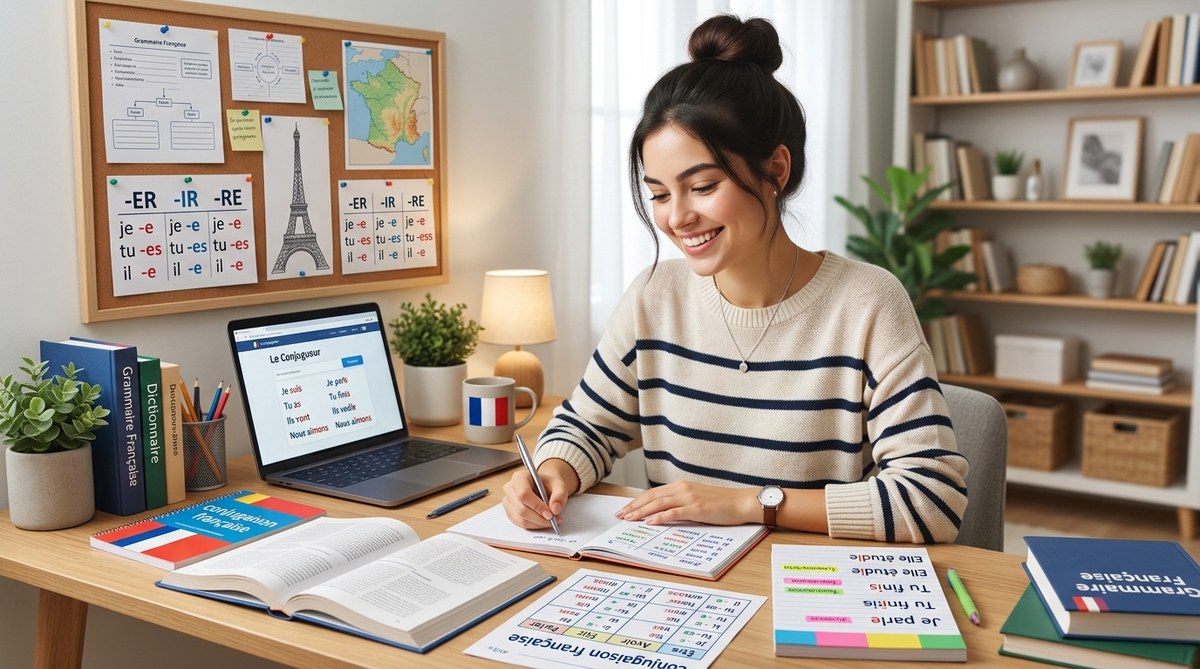
Learning to conjugate French verbs can feel overwhelming at first. With so many verb forms, tenses, and irregularities, it’s easy to get lost in the details. But mastering French verb conjugations is a key step toward speaking more fluently and understanding the language better. The good news is that with a structured approach, patience, and consistent practice, anyone can become comfortable with French verbs. Let’s walk through practical steps to help you learn and remember French conjugations naturally.
Mastering French verb conjugations takes time and practice. Focus on regular patterns, learn key irregular verbs early, and practice in context regularly. Patience and persistence will lead to confidence and fluency over time.
Understanding the Basics of French Verb Conjugations
Before diving into the specifics, it’s helpful to understand the foundation of French verb conjugation. French verbs are grouped into three main categories based on their infinitive endings: -er, -ir, and -re. Each group follows its own set of rules for conjugation, especially in the present tense.
- Regular verbs follow predictable patterns.
- Irregular verbs do not follow these patterns and need to be memorized.
- Conjugations change depending on the subject pronoun, tense, and mood.
Knowing these basics will help you recognize patterns and make learning more manageable. For beginners, focus on the present tense, as it is used most often in daily conversations.
Step-by-step process to master French verb conjugations
- Learn the subject pronouns and their pronunciation
Start by memorizing the French subject pronouns. They are the building blocks for conjugation. For example:
- je (I)
- tu (you informal)
- il/elle/on (he/she/one)
- nous (we)
- vous (you formal or plural)
- ils/elles (they masculine/feminine)
Practice pronouncing them correctly. This sets a solid foundation for conjugating any verb.
- Focus on regular verb patterns in the present tense
Regular -er verbs are the easiest to start with. For example, parler (to speak):
| Subject | Conjugation | Example |
|---|---|---|
| je | parle | I speak |
| tu | parles | you speak |
| il/elle/on | parle | he/she/one speaks |
| nous | parlons | we speak |
| vous | parlez | you speak |
| ils/elles | parlent | they speak |
Similarly, -ir and -re verbs follow their own predictable patterns. Practice conjugating common regular verbs daily.
- Learn key irregular verbs early
Some irregular verbs are used very often and have unique conjugation forms. Examples include être (to be), avoir (to have), aller (to go), and faire (to do). Memorize their present tense forms as they appear frequently:
| Verb | Conjugation | Example |
|---|---|---|
| être | je suis | I am |
| avoir | tu as | you have |
| aller | il va | he goes |
| faire | nous faisons | we do/make |
Making flashcards for irregular verbs can help reinforce their forms.
- Practice conjugating in context
Instead of memorizing isolated forms, practice using verbs in sentences. For example, write simple sentences like “Je parle français” or “Nous allons au marché.” This helps your brain connect conjugations with real-life situations.
- Use visual aids and mnemonic techniques
Create charts or flashcards with conjugation endings. For example, for -er verbs in the present tense, endings are -e, -es, -e, -ons, -ez, -ent. Using mnemonics or associating endings with familiar words can make memorization easier.
-
Practice consistently and in multiple ways
-
Writing: Conjugate verbs in notebooks or apps.
- Speaking: Record yourself or speak aloud.
- Listening: Listen to French podcasts or dialogues and notice verb forms.
-
Reading: Read simple texts and identify verb conjugations.
-
Avoid common mistakes
Many beginners make errors like mixing up verb endings or forgetting to match the ending with the subject. Use a table to clarify techniques and mistakes:
| Technique | What to do | Common mistake |
|---|---|---|
| Conjugate with subject pronouns | Always include the subject pronoun when practicing | Forgetting to include the pronoun |
| Practice regular patterns first | Master -er, then -ir, -re | Jumping straight into irregular verbs |
| Use authentic materials | Read simple French stories or dialogues | Relying only on lists and drills |
Expert tip: “Focus on understanding the pattern of regular verbs first. Once these are second nature, irregular verbs become much easier to learn because you’ll recognize their patterns.” — French language expert
Recognizing and avoiding mistakes
| Mistake | Explanation | How to avoid it |
|---|---|---|
| Mixing verb endings of different groups | Each group has its own endings | Stick to one group at a time |
| Not matching conjugation with subject | Conjugation must agree with the subject | Always check your subject pronoun first |
| Forgetting irregular forms | Irregular verbs don’t follow patterns | Use flashcards and practice daily |
Practice tips for mastering conjugations
- Write out conjugation tables for common verbs regularly.
- Incorporate verbs into daily conversations or journal entries.
- Use language learning apps that focus on verb practice.
- Find language exchange partners to practice speaking.
- Watch French videos and listen for verb forms.
Final encouragement to keep practicing
Mastering French verb conjugations is a journey. It takes time, patience, and consistent effort. Remember that every small step counts. Set aside a few minutes each day to practice, and soon you’ll notice your confidence grow. With deliberate practice and a positive mindset, conjugating verbs will become second nature.
How to keep your momentum going with French verbs
Building your skills in French verb conjugation is about steady progress. Celebrate your small victories, like conjugating a new verb correctly or understanding a tricky irregular. Keep exposing yourself to French in fun ways. Over time, conjugations will become a natural part of your communication toolkit. Trust your ability to learn and enjoy the process of mastering this beautiful language.
By following these steps and practicing regularly, you’ll find yourself conjugating French verbs with more ease and confidence. Keep at it, and you’ll soon speak more fluently and understand French more deeply. Bonne chance!