 paisley
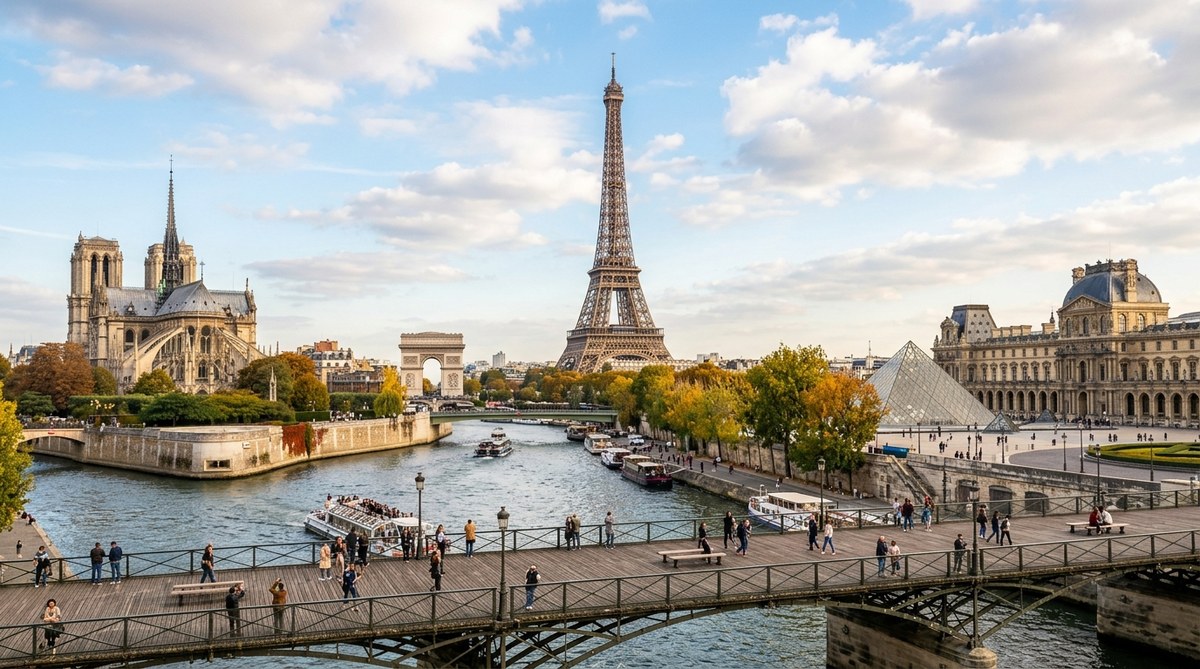
France is a country rich in history, art, and architecture. Its landmarks tell stories of kings and queens, revolutionary movements, and centuries of cultural evolution. Visiting these sites offers more than just sightseeing. They provide a window into the soul of France. Whether you’re a history buff, art lover, or simply seeking the beauty of iconic places, France has something unforgettable to offer. Let’s walk through some of the top French cultural landmarks you must visit on your journey.
France’s top cultural landmarks blend history, art, and stunning architecture. Visiting these sites enriches your understanding of French heritage and offers memorable experiences that last a lifetime.
Iconic castles and royal residences
France’s castles and palaces are symbols of its regal past and architectural grandeur. Among these, the Palace of Versailles stands out as a masterpiece of Baroque design. Once the royal seat of Louis XIV, it boasts stunning gardens, ornate halls, and the Hall of Mirrors. Visiting Versailles offers a glimpse into the opulence of French monarchy and the art of grandeur.
Another notable site is Château de Chambord in the Loire Valley. This Renaissance castle features a distinctive French medieval and classical architecture, with its impressive double helix staircase and sprawling grounds. It is a testament to France’s architectural innovation during the Renaissance era.
For those interested in medieval history, Mont Saint-Michel is a must-see. This island commune, topped with a striking abbey, appears as if floating on the tide. Its narrow streets and fortified walls reveal centuries of religious and military history.
Historic streets and districts
Walking through France’s historic neighborhoods can be as enriching as visiting its landmarks. The Marais district in Paris offers a blend of medieval streets, boutique shops, and historic sites. Its narrow alleyways and beautiful courtyards make it a favorite for wandering and discovering hidden gems.
In Lyon, the old town or Vieux Lyon showcases Renaissance architecture, cobblestone streets, and vibrant courtyards. It is recognized as a UNESCO World Heritage site for its well-preserved historical fabric.
In addition, the medieval city of Carcassonne features a massive fortress with double walls and fairy-tale towers. Its well-preserved ramparts and narrow streets transport visitors back to the Middle Ages.
Artistic treasures and museums
France has been home to some of the world’s greatest artists. The Louvre in Paris is the largest art museum, housing masterpieces like the Mona Lisa, the Venus de Milo, and countless other works from across centuries.
The Musée d’Orsay, housed in a former train station, features Impressionist and Post-Impressionist paintings by Monet, Van Gogh, and Degas. Its collection reflects the revolutionary changes in art during the 19th and early 20th centuries.
For a more intimate experience, the Rodin Museum in Paris displays the sculptor’s iconic works, including The Thinker and The Gates of Hell, amidst beautiful gardens.
Religious sites of cultural significance
France’s religious architecture reflects its spiritual history and artistic achievements. The Notre-Dame Cathedral in Paris is a Gothic marvel, with its flying buttresses, stained glass windows, and impressive façade. Although damaged by fire in 2019, its significance remains immense.
The Sainte-Chapelle, also in Paris, features remarkable stained glass windows depicting biblical scenes. Its jewel-like interior is a feast for the eyes.
In the south, the Abbey of Saint Gall in Saint-Gall offers insight into medieval monastic life and religious art.
The beauty of French landscapes and UNESCO sites
Beyond urban landmarks, France’s natural landscapes are equally captivating. The Calanques near Marseille showcase dramatic cliffs and turquoise waters. The lavender fields of Provence bloom in summer, filling the air with scent and color.
The UNESCO World Heritage site of the Loire Valley is famous for its châteaux and scenic vineyards. It’s a region where history and nature blend seamlessly.
The Mont-Blanc massif in the Alps offers breathtaking mountain views and outdoor activities like hiking and skiing.
Practical tips for visiting French landmarks
- Plan your route: Prioritize sites that align with your interests—whether art, history, or nature.
- Book tickets in advance: Many popular landmarks offer skip-the-line options.
- Learn basic French phrases: It enhances your experience and helps connect with locals.
- Respect local customs: Dress appropriately for religious sites and follow photography rules.
- Use guided tours: They provide rich context and access to hidden corners.
Techniques for appreciating French landmarks and common mistakes
| Techniques | Mistakes to Avoid |
|---|---|
| Take guided or audio tours | Rushing through sites without understanding |
| Visit early or late in the day | Ignoring opening hours and closures |
| Read historical context beforehand | Overlooking less famous but meaningful sites |
| Take time to sit and absorb the ambiance | Forgetting to respect site rules |
| Use a good camera but focus on experience | Neglecting to carry essentials like water or sunscreen |
Expert advice on making the most of your visit
“Immerse yourself in the stories behind each site. Take time to walk around, observe details, and imagine the past. It makes the experience truly memorable.” — French cultural historian
How to approach your French landmark adventure
- Create a list of sites you wish to see.
- Research opening hours and ticket options.
- Map out your route for efficient travel.
- Learn a few basic phrases in French.
- Allow yourself time to soak in each place without rushing.
Visiting France’s top cultural landmarks with confidence
France offers an incredible variety of sites that showcase its history, art, and architecture. From majestic castles and historic streets to world-class museums and spiritual sites, each landmark tells a story. Planning your visit thoughtfully ensures you get the most out of your trip.
Whether you’re admiring the grandeur of Versailles, wandering the medieval streets of Carcassonne, or marveling at the art treasures in the Louvre, these landmarks enrich your understanding of French culture. Remember, the key is to engage with each site genuinely and patiently.
Cherish the journey through France’s cultural heart
Take your time to enjoy each moment. These landmarks aren’t just pictures to check off a list. They are living stories, waiting for curious visitors like you. Pack your sense of wonder and an open mind. Your journey into France’s history and beauty will be unforgettable.