 paisley
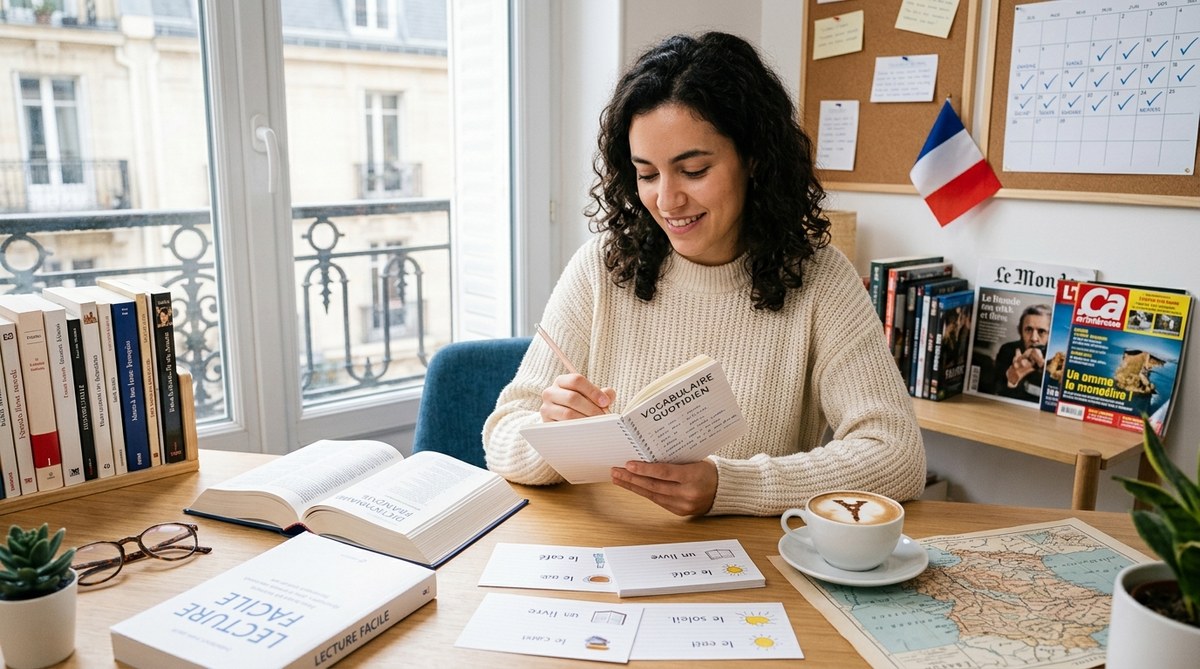
Building a strong French vocabulary takes more than just memorizing lists. It’s about creating a daily routine that immerses you in the language organically. When you learn in context and incorporate French into your everyday life, words become more meaningful and easier to recall. This approach not only accelerates your progress but also makes learning more enjoyable. Let’s explore how to build French vocabulary naturally through simple, effective daily practices.
Consistent daily exposure to French in real life helps you learn vocabulary organically. Use immersion, context, and routine activities to make new words stick naturally and boost your fluency faster.
Why building French vocabulary naturally matters
Learning vocabulary in a way that feels natural helps you remember words longer and use them confidently. Unlike rote memorization, which can be dry and forgettable, immersive methods connect words to situations, emotions, or objects you encounter daily. This connection enhances retention and makes speaking or understanding French more fluid. Plus, developing a habit of engaging with the language in real contexts keeps motivation high and prevents burnout.
Practical steps to build French vocabulary every day
Here are five proven methods to incorporate French vocabulary into your daily routine seamlessly:
1. Integrate French into your morning routine
Start your day by listening to a French podcast or reading a short news article. This habit exposes you to new words in context and sets a language-focused tone for the day. For example, listen to a brief news summary on a French radio station or read a few sentences from a French blog while having breakfast. Over time, these small doses add up and expand your vocabulary naturally.
2. Use labels and visual cues around your home
Label common objects with their French names. Place sticky notes on your fridge, mirror, or workspace. For instance, stick a note that says “la porte” on your door or “le miroir” on your mirror. Seeing these words repeatedly in context helps your brain associate objects with their French terms without formal study. This passive exposure makes vocabulary stick in a fun and effortless way.
3. Practice speaking out loud daily
Speak your thoughts in French during routine activities. Describe what you’re doing while cooking, cleaning, or commuting. For example, as you prepare breakfast, say, “Je coupe le pain” (I am cutting the bread). This habit reinforces vocabulary and improves pronunciation. It also makes your brain connect words with actions, leading to more natural usage.
4. Engage with French media regularly
Watching French movies, TV shows, or YouTube videos introduces you to everyday vocabulary and idiomatic expressions. Choose content that interests you and turn on subtitles in French if needed. Listen carefully to how words are used in context. Over time, you’ll pick up new words and phrases that feel familiar and useful.
5. Keep a small daily vocabulary journal
Write down new words you encounter throughout the day. Use them in sentences or find ways to incorporate them into your conversations. This active engagement helps solidify the words in your memory. Over weeks, you’ll notice your vocabulary growing steadily without feeling overwhelmed.
Common pitfalls and how to avoid them
| Technique | Mistake | How to Avoid |
|---|---|---|
| Passive listening | Relying only on passive exposure | Combine listening with speaking and writing activities |
| Overloading with vocabulary | Trying to memorize too many words at once | Focus on a small set of words daily and review regularly |
| Lack of context | Learning words in isolation | Always learn new words within sentences or real-life situations |
| Ignoring pronunciation | Forgetting to practice speaking | Practice out loud to improve pronunciation and retention |
| Inconsistent practice | Skipping days or losing momentum | Establish a daily habit and set achievable goals |
“The key to building French vocabulary naturally is consistency and context. When words are tied to your daily experiences, they become a part of your active language toolkit.” — Language learning expert
Techniques to maximize your vocabulary growth
| Technique | Description | Common mistake |
|---|---|---|
| Using flashcards | Creating visual cues for new words | Relying only on flashcards without contextual practice |
| Categorizing vocabulary | Grouping words by themes like food, travel, or work | Memorizing words in isolation, losing connection to usage |
| Revising regularly | Repeatedly reviewing words over days or weeks | Forgetting words without review cycles |
| Immersing in media | Watching, listening, reading in French regularly | Consuming media only occasionally |
| Speaking with natives | Conversing with French speakers or tutors | Avoiding speaking due to fear of mistakes |
Mistakes to watch out for when building vocabulary
| Mistake | Effect | How to fix it |
|---|---|---|
| Memorizing without context | Forgetting words quickly | Always learn words in sentences or real situations |
| Focusing only on formal language | Missing out on colloquial expressions | Incorporate slang and idiomatic phrases in practice |
| Neglecting pronunciation | Struggling to be understood | Practice speaking aloud with native content |
| Not reviewing learned words | Losing vocabulary over time | Schedule regular review sessions |
| Using only apps for practice | Limited understanding of real-life usage | Combine app practice with speaking and listening activities |
Final thoughts on building a natural French vocabulary
Growing your French vocabulary in a genuine way requires daily effort woven into your routines. By listening to French content, labeling objects around your home, speaking aloud, and engaging with media, you create a rich language environment. Remember, consistency beats intensity. Small, regular interactions with the language make a lasting impact. Keep practicing with patience and curiosity, and you’ll find yourself speaking more confidently in no time.
Stay curious and keep practicing daily
Incorporating French into your everyday activities makes vocabulary learning feel less like a chore and more like part of your life. Use the methods that resonate most with you and turn every moment into an opportunity to learn. With perseverance and natural engagement, your French vocabulary will flourish. Happy learning!